Professional Air Duct Cleaning Westchester NY for Cleaner Airflow
Experienced Water Damage Rehabilitation Services: Immediate, Trustworthy, and Economical Solutions
Water damage can strike unexpectedly, causing homeowners considerable distress. Expert restoration services offer a systematic approach to these emergencies. With trained professionals and advanced equipment, they deliver timely solutions to reduce damage. Understanding the origins and effects of water intrusion is crucial. As homeowners consider their choices, they may find themselves pondering the important factors and procedures involved in successful remediation. What should they know prior to deciding?
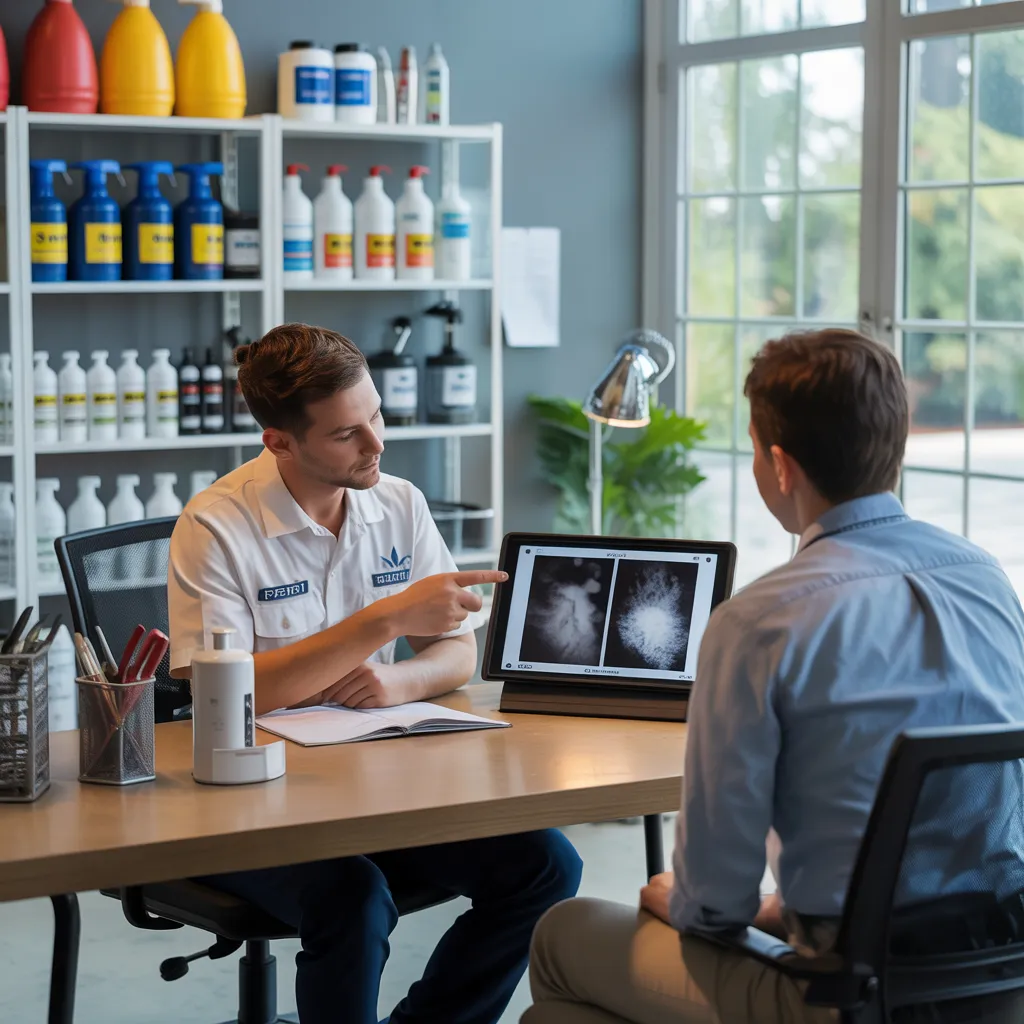
Steps for Dealing with Water Damage Immediately
Encountering water damage calls for prompt action. The initial steps can significantly decrease the effect on property and belongings. First, one should shut off the main water supply to halt further flooding. Next, power supply should be disconnected to avoid potential hazards. Removing standing water swiftly is crucial; this may involve using a wet/dry vacuum, mops, or buckets.
After the majority of the water is extracted, the affected area should be dried thoroughly. Opening windows and using fans can enhance airflow, aiding in drying. It is also recommended to take out any damp items, such as carpets or furniture, to stop mold from developing.
Ultimately, photographing the harm with photos can be useful for insurance documentation. By performing these swift actions, one can help minimize the long-term effects of water damage and ready yourself for specialized restoration providers.
Comprehending Liquid Destruction Reasons and Consequences
Numerous elements can result in water damage, each with distinct consequences. Typical sources encompass burst pipes, heavy rainfall, and appliance failures. For instance, a sudden pipe rupture can flood an area, leading to immediate structural damage and potential mold growth if not addressed promptly.
Additionally, roof leaks from old shingles or poor installation can bring about significant interior damage over time. Moisture buildup not only weakens the integrity of buildings but can also compromise electrical systems, posing safety hazards.
Flooding from external sources, such as nearby rivers or water management problems, can further exacerbate the situation, often triggering costly repairs and extensive restoration efforts.
Understanding these reasons is crucial for homeowners and property managers alike, as it highlights the significance of proactive maintenance. Neglecting water damage can lead to permanent structural damage, health risks from mold, and ultimately, higher expenses.
The Phase-Based Water-Caused Harm Repair Work Protocol
Water damage remediation involves a structured methodology to effectively restore affected areas and prevent further difficulties. The undertaking typically commences with a meticulous review to determine the extent of the damage and identify the source of water seepage. Then, professionals commence water elimination, utilizing advanced equipment to remove standing water and minimize humidity levels. When the area is dry, they prioritize on cleaning and sanitizing affected surfaces to eliminate contaminants and prevent mold growth.
Following this, the repair phase entails repairing or replacing damaged materials, such as drywall, flooring, and insulation, ensuring that the space goes back to its original state. During this time, thorough communication with property owners is vital to keep them informed. Final inspections are performed to confirm that all repairs satisfy industry standards, assuring the property is safe and habitable once more. This all-encompassing approach safeguards against future water damage and maintains the integrity of the property.
Important Tools for Efficient Water Damage Recovery
Successful water damage restoration is heavily dependent on professional-grade equipment that enhance the efficiency and success of the process. Key instruments include moisture meters, which accurately measure humidity levels in various materials, ensuring complete dehydration. Industrial-grade dehumidifiers serve a critical function in extracting excess moisture from the air, stopping mildew formation. Additionally, powerful water extraction pumps efficiently extract standing water, lessening deterioration to properties and items.
Air movers are important for improving airflow and hastening evaporation, while thermal imaging cameras aid in detecting hidden moisture pockets behind walls and beneath floors. These devices, when employed together, form a complete approach to restoration, allowing for prompt and effective recovery. Additionally, protective gear and specialized cleaning agents protect the safety of both technicians and property. Investing in these tools prepares restoration professionals to manage a wide range of water damage cases efficiently, providing peak outcomes for affected properties.
Why You Should turn to Water Damage Experts?
When confronting the consequences of water damage, homeowners can rely on experts for their technical proficiency and track record. These practitioners grasp the intricacies related to evaluating and addressing water damage, allowing them to promptly locate the main factors and possible risks. Their extensive training equips them with the skills needed to use state-of-the-art tools and procedures for effective repair.
Moreover, water damage specialists are versed in the latest industry standards and proven methods, ensuring that the recovery procedure is effective and safe. They also possess the capacity to manage insurance claims, helping homeowners increase their coverage and decrease out-of-pocket expenses.
Furthermore, their dedication to timely service means that they can prevent additional damage, reducing the comprehensive impact on the structure. By collaborating with water damage restoration experts, homeowners achieve confidence, knowing that their property is in capable care and that the restoration will be handled with expertise and care.
Aspects Impacting Moisture Damage Repair Prices
Several aspects impact the expenses associated with water damage restoration, affecting both the scope of work and overall expenses. The degree of the damage is a main consideration; larger areas affected by water require more labor and materials. The source of the water also is important—clean water, gray water, and black water demand different levels of treatment and safety precautions. Additionally, the type of materials damaged, such as drywall, flooring, or personal belongings, affects overall costs. The speed of response is another determinant; faster interventions often lead to lower expenses by preventing further damage. Geographic location can also affect pricing, as labor rates and material costs vary by region. Finally, any necessary structural repairs or replacements will add to the total expenses, underscoring the importance of thorough assessments in estimating restoration costs.
Determining the Suitable Water Damage Reconstruction Company
How can homeowners guarantee they select the top water damage restoration company? First, they should confirm the company's qualifications, ensuring it is certified and covered. This safeguards against risk and confirms the business complies with industry standards. Next, they should look for feedback and testimonaries from previous clients, which provide information into the company's dependability and effectiveness.
Homeowners can inquire about the company's proficiency in addressing similar water-related issues scenarios. A firm with a proven track record can often respond more efficiently. Moreover, it's wise to inquire about the technology and methods implemented; advanced tools can profoundly impact restoration performance.
Finally, obtaining several estimates assists homeowners comprehend costs and offerings offered. Open dialogue about the restoration data process is crucial, as it builds trust and clarity. By following these guidelines, homeowners can make well-informed decisions when selecting a water damage restoration company.

Often Requested FAQ
What Solutions Will Assist Me Avoid Future Moisture Damage in My Residence?
To prevent future water damage, consistent inspections of plumbing, roofs, and gutters are necessary. Upholding proper drainage, closing leaks, and installing sump pumps can significantly lower the risk of moisture infiltration and subsequent damage.
What Insurance Protection Is Needed for Water Damage Restoration?
To effectively manage water damage restoration, homeowners should obtain broad homeowners insurance, verifying it includes specific provisions for water damage. Supplemental flood insurance may also be important, determined by the property's location and flood risk.
Are DIY Water Damage Repairs Successful and Safe?
DIY water damage restoration can be efficient for minor issues, but they may pose dangerous risks and could result in additional damage if not executed correctly. Professional assessment is often recommended for significant or complex situations.
What timeline Can You anticipate for Water Damage remediation?
Restoring moisture destruction typically requires between a few days to several weeks, depending on the severity of harm, the affected materials, and the effectiveness of the dehydration method used by professionals.
What Health Risks Are Associated With Water Damage?
Water damage presents various health risks, such as mold growth, which can cause respiratory issues, allergies, and infections. Contaminated water may also harbor pathogens, raising the likelihood of gastrointestinal diseases and other serious health concerns.